
Hidden ROI of ADA Compliance for Commercial Property
Written by
Post Date
Comments
No Comments
ADA compliance ROI is the measurable increase in asset value, rental income, and marketability gained through accessible property design. Beyond mitigating legal risks, it broadens tenant pools, improves customer retention in hospitality, and future-proofs buildings, turning compliance from a cost center into a strategic value driver for commercial investors.
Why is ADA compliance a smart investment?
For many years, commercial real estate investors viewed the Americans with Disabilities Act (ADA) primarily through the lens of risk management. The focus was on avoiding costly litigation, 'drive-by' lawsuits, and regulatory penalties. However, a significant shift is occurring in the industry. Savvy investors now recognize that accessibility is not just a legal requirement; it is a powerful tool for enhancing a property's performance. When you invest in making a building fully accessible, you are essentially removing barriers to entry for a significant portion of the global population.
By prioritizing accessibility, property owners can tap into a massive, often underserved market. According to the CDC, approximately one in four adults in the United States lives with some form of disability. This demographic possesses significant spending power, estimated at hundreds of billions of dollars annually. When a commercial property—whether it is a retail center, an office building, or a hotel—fails to accommodate these individuals, it is effectively turning away a substantial percentage of its potential revenue. At APEX Asset Management , we help our clients understand that every ramp, widened doorway, and accessible restroom is an invitation to a broader audience, which directly translates to improved occupancy rates and higher gross income.
Furthermore, the 'curb cut effect' demonstrates that accessibility improvements benefit everyone, not just those with disabilities. Features like automatic doors, elevators, and clear signage make a property more navigable for parents with strollers, delivery workers with heavy carts, and elderly individuals. This universal appeal creates a more seamless and welcoming experience for all visitors, increasing the overall desirability of the asset in the marketplace.
Does accessibility truly increase commercial property value?
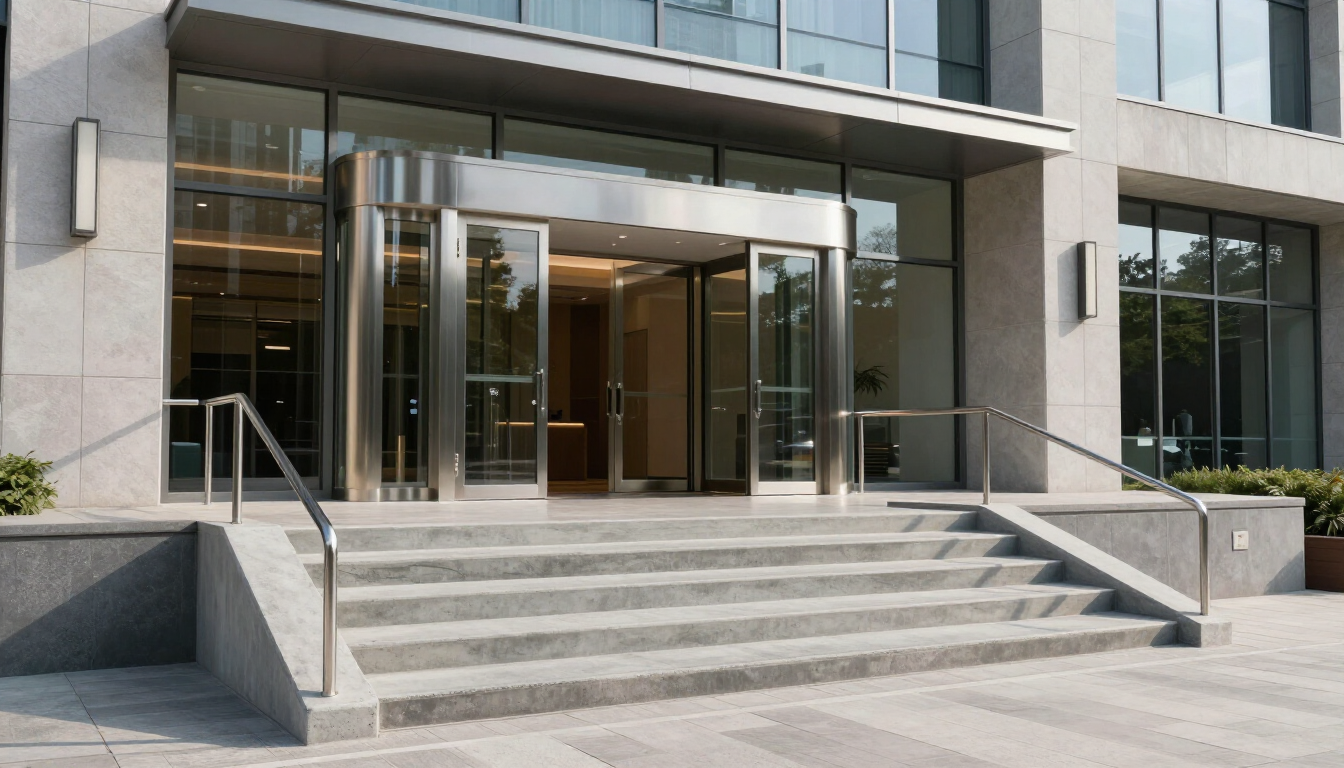
From a valuation perspective, the link between ADA compliance and property value is becoming increasingly clear. In the world of APEX CRE , a property's value is fundamentally tied to its ability to generate consistent cash flow. Accessible properties are inherently more competitive because they appeal to a wider range of prospective tenants. In a competitive leasing market, a tenant looking for office space will prioritize buildings that allow them to recruit from the widest possible talent pool—including those with mobility or sensory impairments.
When a property is fully compliant and optimized for accessibility, it reduces the 'risk premium' that potential buyers might apply during the due diligence process. A building with known ADA deficiencies is often subject to a lower valuation or a higher capitalization rate because the buyer must account for the future capital expenditures required to bring the asset up to code. Conversely, a 'turnkey' accessible building commands a premium because it offers immediate operational stability and shields the owner from future legislative shifts.
Key ways accessibility influences valuation include:
- Lower Vacancy Rates : Broader tenant appeal leads to faster leasing and higher retention.
- Increased Net Operating Income (NOI) : Higher demand allows for more aggressive rental rates.
- Reduced Legal Reserve : No need to set aside funds for potential ADA-related lawsuits.
- Higher Appraisal Values : Appraisers increasingly view accessibility as a quality indicator.
- Institutional Demand : Many institutional investors and REITs have strict ESG (Environmental, Social, and Governance) mandates that require high standards of accessibility.
By integrating accessibility into the core strategy of APEX Commercial Development , investors can ensure that their new projects are positioned for maximum value from day one, rather than facing the high costs of retrofitting later.
Maximizing the Tenant Pool through Universal Design
Universal design goes beyond simple compliance; it is the practice of creating environments that are usable by all people, to the greatest extent possible, without the need for adaptation or specialized design. In the commercial sector, embracing universal design is a direct path to maximizing the potential tenant pool. Large corporate tenants are increasingly focused on diversity, equity, and inclusion (DEI) initiatives. They seek out office spaces that reflect these values and allow them to provide an inclusive environment for their employees and clients.
An office building that only meets the bare minimum of ADA standards may technically be legal, but it might not be 'functional' for a diverse workforce. For instance, if the only accessible entrance is at the back of the building near the loading dock, it sends a message of exclusion. Modern tenants want spaces where everyone enters through the same front door. By implementing high-quality universal design, owners can attract high-credit, long-term tenants who are willing to pay a premium for a space that aligns with their corporate culture. This synergy between physical space and tenant values is a cornerstone of a successful investment strategy.
What are the specific ROI drivers for hospitality assets?
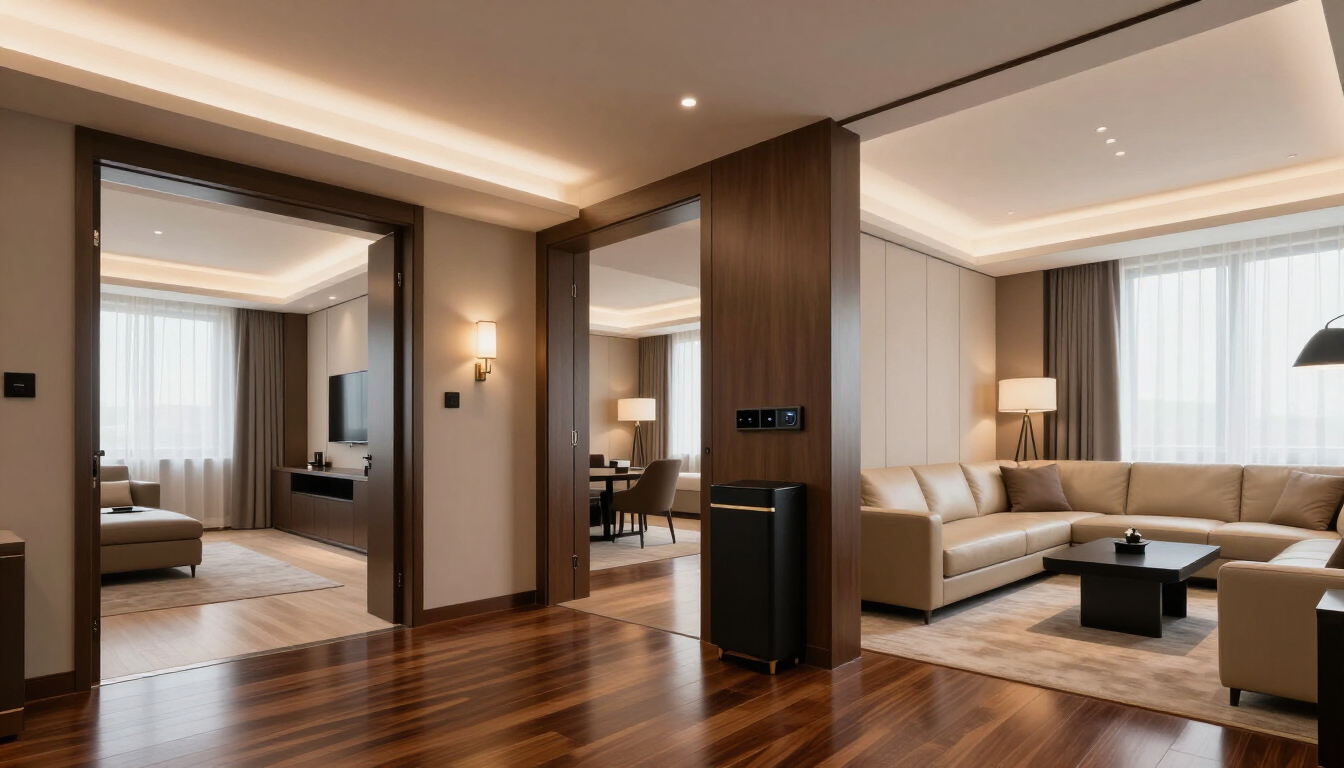
In the hospitality industry, the ROI of accessibility is perhaps more direct and visible than in any other commercial sector. For hotels and resorts, every room that is not accessible represents a missed opportunity to capture a segment of the travel market that is both growing and loyal. Travelers with disabilities often travel with family and friends, meaning that one accessible room can be the deciding factor for a multi-room booking. This multiplier effect significantly boosts revenue per available room (RevPAR).
Moreover, the hospitality sector relies heavily on online reviews and word-of-mouth reputation. An accessible property that provides a seamless, dignified experience for guests with disabilities will often receive glowing reviews. Conversely, a property that presents obstacles can suffer from negative publicity that is difficult to erase. In a world where guests share their experiences instantly on social media, the quality of your accessibility features is a critical component of your brand value.
Investment benefits for hospitality properties include:
- Increased Group Bookings : Better positioning for conferences and multi-generational family travel.
- Guest Loyalty : Disabled travelers tend to return to properties that meet their needs reliably.
- Niche Market Dominance : Becoming a 'destination of choice' for travelers with specific needs.
- Enhanced Public Relations : Building a brand associated with inclusivity and care.
- Optimized Space Utilization : Designing common areas that flow better for all guests.
The Economic Impact of an Aging Demographic
The 'Silver Tsunami'—the rapid aging of the global population—is a demographic shift that commercial real estate investors cannot afford to ignore. As the Baby Boomer generation ages, a larger percentage of the population will experience age-related mobility, vision, and hearing challenges. This demographic also holds a significant portion of the nation's wealth. Whether they are shopping at a retail center, visiting a medical office, or staying in a hotel, they will gravitate toward properties that are easy to navigate.
Properties that are proactive about ADA compliance and universal design are effectively positioning themselves to capture this 'aging-in-place' economy. If your retail strip center has narrow aisles, heavy manual doors, and poor lighting, you are effectively alienating the demographic with the most discretionary income. By upgrading these assets now, you are not just complying with the law; you are ensuring your property remains relevant and profitable for the next twenty years. This long-term view is what separates a standard investment from a truly high-performing asset.
How does proactive compliance lower long-term capital expenditure?
One of the most overlooked aspects of the ROI of ADA compliance is the reduction in long-term capital expenditure (CapEx). When accessibility is treated as an afterthought or a 'fix-as-you-go' problem, the costs are invariably higher. Retrofitting an existing structure to add an elevator, relocate a restroom, or regrade a parking lot is significantly more expensive than integrating those features into a planned renovation or a new build. When you work with the Apex Capital Markets team to structure your financing, accounting for these upgrades early can be the difference between a project that pencils out and one that doesn't.
Proactive compliance also protects you from 'legislative creep.' Accessibility standards are not static; they evolve as technology and social expectations change. By aiming for a standard that exceeds the current minimums, you create a 'buffer' that keeps your property compliant even as new regulations are introduced. This prevents the need for frequent, disruptive, and expensive minor upgrades every few years. Furthermore, maintaining a high standard of accessibility often coincides with better overall building maintenance, which preserves the physical integrity of the asset over time.
Investing in accessibility also opens doors to specialized financing and tax incentives. There are federal tax credits (such as the Disabled Access Credit) and deductions available for small businesses and property owners who make their businesses more accessible. These incentives can directly offset the cost of the improvements, significantly shortening the payback period on the investment. When combined with the increased rental income and property value, the financial case for accessibility becomes undeniable.
Strategic Accessibility Checkpoints for Investors
To ensure your portfolio is maximizing the ROI of accessibility, consider these strategic steps:
- Conduct Comprehensive Audits : Go beyond a simple checklist and assess the actual user experience.
- Integrate ADA into CapEx Planning : Make accessibility a standard line item in your 5-year and 10-year plans.
- Train Management and Staff : Physical accessibility is only half the battle; service must be inclusive too.
- Market Your Accessibility : If your property is superior in its accessibility, let your potential tenants know.
- Consult with Specialists : Work with architects and consultants who specialize in universal design.

Summary of the Accessibility Value Proposition
In conclusion, the ROI of ADA compliance is a multi-faceted benefit that goes far beyond legal defense. By embracing accessibility, commercial real estate investors can unlock hidden value, attract a wider and more loyal tenant base, and future-proof their assets against demographic and regulatory changes. Whether you are managing a high-end hotel or a suburban office park, the financial incentives for creating inclusive environments are clear: higher occupancy, increased NOI, and a more resilient property value. At Apex, we are dedicated to helping our partners see the potential in every square foot, ensuring that every asset in our network is optimized for performance, inclusivity, and long-term success. The path to a more valuable property starts with an open door—literally and figuratively.
Recent Posts